Laurent Gbagbo Biography: Age, Career, Personal Life, Early Life, Family, Education, Achievements, Net Worth
Laurent Gbagbo Biography
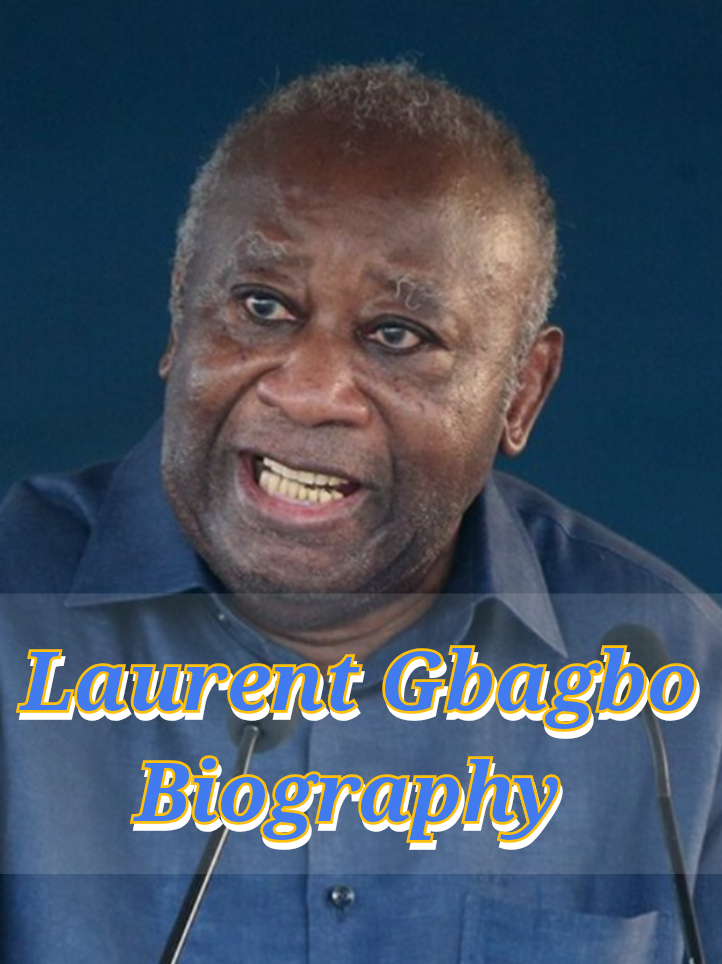
Koudou Laurent Gbagbo is a prominent Ivorian politician, historian, and former president of Côte d’Ivoire. Born in 1945, he rose from academia and opposition activism to lead the country from 2000 to 2011. He became the first centre-left president in Ivorian history and played a key role in the nation’s transition to multiparty democracy. His tenure faced significant challenges, including civil war and a disputed 2010 election that led to violence and his eventual arrest.
Gbagbo’s career reflects resilience shaped by imprisonment, exile, and international legal battles. Acquitted by the International Criminal Court on crimes against humanity charges, he returned to Ivorian politics and continues to influence the nation’s landscape through a new party. His life story highlights themes of democracy, power, and national identity in post-colonial Africa.
Laurent Gbagbo Early Life
Koudou Laurent Gbagbo was born on 31 May 1945 in Gagnoa, in what was then French West Africa, to a Roman Catholic family of the Bété people. He grew up in a region known for its cocoa production and rural traditions. His early experiences under colonial and then one-party rule sparked his interest in history and politics.
Gbagbo moved to Abidjan in the 1960s for education. He attended the Lycée Classique d’Abidjan and later pursued higher studies, developing a strong sense of opposition to authoritarian governance. These formative years laid the foundation for his lifelong commitment to political reform and social justice.
Laurent Gbagbo Age
As of 2026, Laurent Gbagbo is 80 years old. Despite his age, he remains active in Ivorian politics, demonstrating enduring influence and energy in public life.
Laurent Gbagbo Education
Gbagbo received a solid academic foundation. He earned a bachelor’s degree in history from the University of Abidjan in 1969. He continued his studies at the Sorbonne in Paris, obtaining a master’s degree in 1970 and a doctorate from Paris Diderot University in 1979. His scholarly focus included African history, art, and archaeology.
He taught at the Classical College in Abidjan and later became Director of the Institute of History, Art, and African Archaeology at the University of Abidjan in 1980. His academic career intertwined with activism, as he used his platform to criticize the ruling regime.
Laurent Gbagbo Career
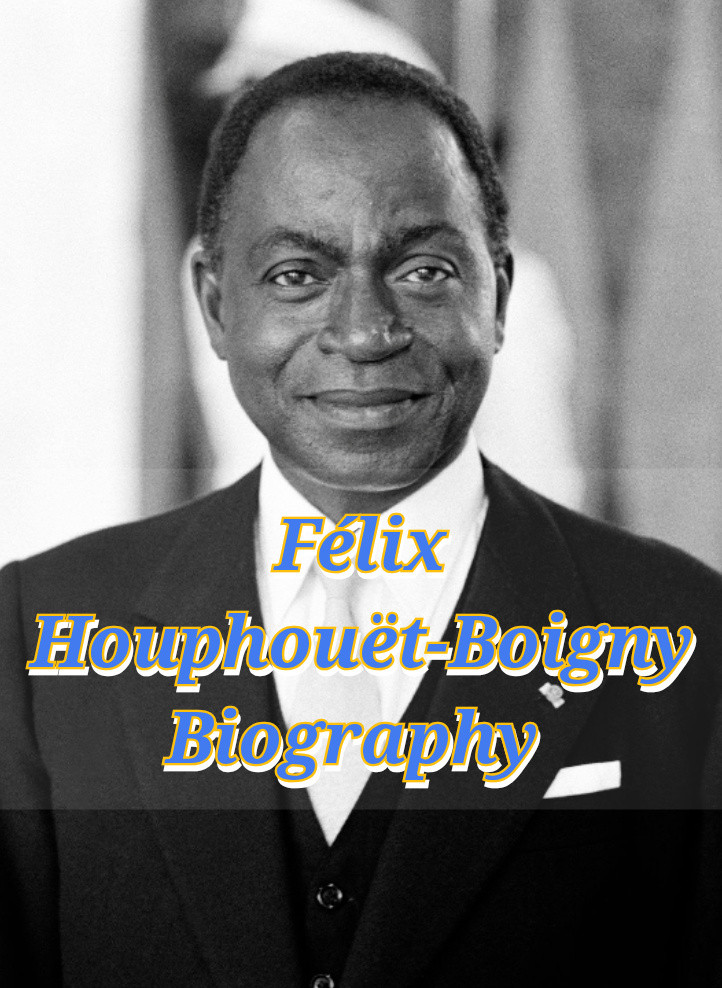
Gbagbo’s career spans academia, union activism, and high-level politics. As a history professor, he opposed President Félix Houphouët-Boigny’s one-party system. He faced imprisonment from 1971 to 1973 for subversion and again in the early 1990s. In 1982, he participated in a teachers’ strike, formed an underground opposition group, and went into exile in France.
He founded the Ivorian Popular Front (FPI) in 1982. Upon returning in 1988, he became the party’s leader. In 1990, he ran against Houphouët-Boigny in the first multiparty presidential election, securing about 18 percent of the vote and winning a parliamentary seat. He faced further imprisonment in 1992 for organizing protests.
After a 1999 military coup led by Robert Guéï, Gbagbo claimed victory in the flawed 2000 election. Street protests ousted Guéï, and Gbagbo assumed the presidency on 26 October 2000. His administration introduced reforms such as universal health insurance initiatives and free compulsory education efforts, while navigating economic and social challenges.
The 2002 civil war divided the country, with rebels controlling the north. Gbagbo’s government signed peace agreements, including the 2007 Ouagadougou Accord, which brought rebel leader Guillaume Soro into a power-sharing government. His presidency emphasized sovereignty and southern interests but faced accusations of fostering division through policies linked to “Ivoirité,” which questioned citizenship for some northerners and immigrants.
Laurent Gbagbo Achievements
Gbagbo’s key achievements include advancing multiparty democracy in Côte d’Ivoire. He helped end decades of one-party rule and promoted union rights and academic freedom. During his presidency, he pursued infrastructure projects, decentralization, and social programs aimed at improving access to healthcare and education.
He positioned himself as a defender of Ivorian sovereignty against foreign influence. His survival through imprisonment, exile, and conflict underscored his political endurance. Post-presidency, he founded the African People’s Party–Côte d’Ivoire (PPA-CI) in 2021 after leaving the FPI.
Internationally, his 2019 ICC acquittal marked a significant legal victory, affirming the principle that charges require strong evidence. He has advocated for reconciliation and political inclusion upon his return.
Laurent Gbagbo Recent News
In recent years, Gbagbo has re-engaged in Ivorian politics. He returned to Côte d’Ivoire in June 2021 after his ICC acquittal. In 2024, he announced intentions to run in the 2025 presidential election under the PPA-CI banner. However, authorities excluded him from the candidate list due to a prior conviction in absentia for economic crimes, a decision he challenged in regional courts without success.
He discreetly married his longtime companion Hadia Nadiany Bamba in August 2024 following his divorce from Simone Gbagbo. His ex-wife Simone has also entered the political fray, with reports of her potential candidacy. Gbagbo continues to make public appearances, visiting regions and calling for national dialogue.
As of 2026, debates persist over his eligibility and the broader opposition landscape ahead of elections. His supporters view him as a symbol of resistance, while critics highlight past controversies.
Laurent Gbagbo Personal Life
Gbagbo maintains a relatively private personal life amid his public profile. He values his Bété cultural roots and Catholic upbringing, though he has engaged with diverse religious communities. He enjoys intellectual pursuits consistent with his historian background and remains committed to family and political causes.
Laurent Gbagbo Family
Gbagbo was married to Simone Ehivet Gbagbo, a politician and former First Lady, from 1989 until their divorce in 2023. They have children together, including twin daughters. Simone played an active role in the FPI and faced her own legal challenges.
He has other children from relationships, including a son with Hadia Nadiany Bamba. Family members, such as his son Michel Gbagbo, have been involved in politics or public life. The family endured separation during exile and legal proceedings but has shown resilience.
Laurent Gbagbo Net Worth
Estimates of Laurent Gbagbo’s net worth vary and are not officially confirmed. Some unofficial sources have speculated figures in the hundreds of millions, often tied to assets frozen during the 2011 crisis or presidential benefits. However, reliable public information remains limited, as is common for many political figures. Reports from his presidency mention presidential salaries and allowances, but post-presidency details focus more on legal and political matters than finances.
Conclusion
Laurent Gbagbo’s life embodies the complexities of leadership in Africa. From history professor to president, he championed democracy yet faced accusations of clinging to power. His acquittal and return signal hope for reconciliation, though challenges remain. As Côte d’Ivoire moves forward, Gbagbo’s legacy will continue to shape discussions on governance, unity, and sovereignty. His story reminds readers of the delicate balance between ambition and democratic principles.
FAQs
Who is Laurent Gbagbo?
Laurent Gbagbo is a former president of Côte d’Ivoire, serving from 2000 to 2011. He is a historian and politician known for founding the FPI and his role in multiparty politics.
When and where was Laurent Gbagbo born?
He was born on 31 May 1945 in Gagnoa, Côte d’Ivoire.
What is Laurent Gbagbo known for?
He is known for his opposition to one-party rule, his presidency, navigating civil conflict, and his high-profile ICC trial, from which he was acquitted.
What happened in the 2010 election in Côte d’Ivoire?
The election pitted Gbagbo against Alassane Ouattara. Disputed results led to a crisis, violence, Gbagbo’s arrest, and Ouattara assuming power.
Was Laurent Gbagbo convicted at the ICC?
No. The ICC acquitted him in 2019 of crimes against humanity charges, a decision upheld on appeal in 2021.
Is Laurent Gbagbo still active in politics?
Yes. He leads the PPA-CI party and has expressed interest in recent elections, though he faced eligibility issues in 2025.
Who is Laurent Gbagbo’s wife?
He was previously married to Simone Ehivet Gbagbo. In 2024, he married Hadia Nadiany Bamba.