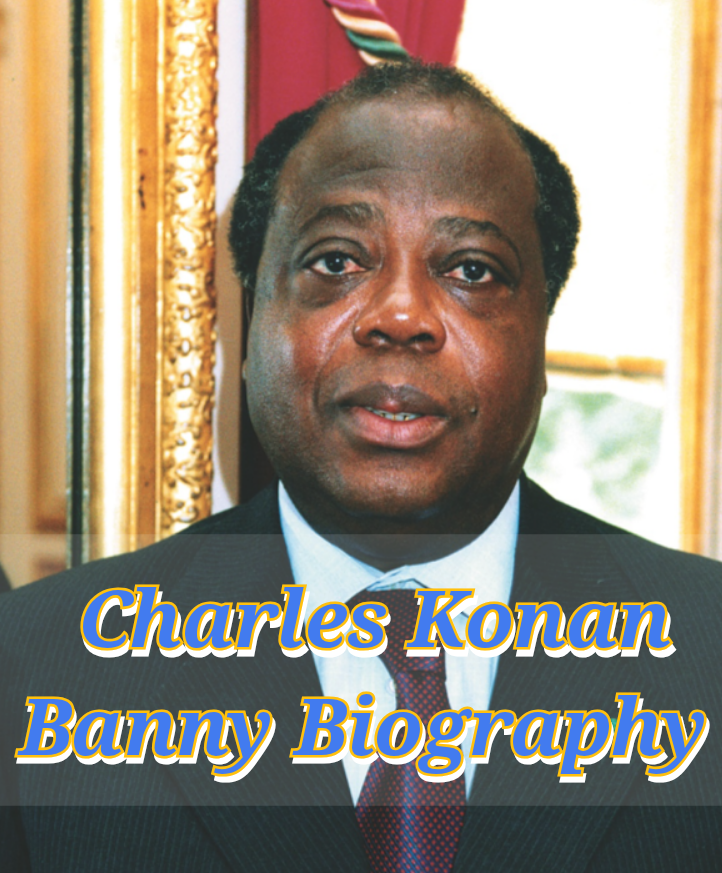
Charles Konan Banny Biography: Early Life, Education, Career, Personal Life, Family, Achievements, Net Worth
Charles Konan Banny Biography
Charles Konan Banny was a prominent Ivorian economist, banker, and politician who served as Prime Minister of Côte d’Ivoire from December 2005 to April 2007. Born in Divo, he rose through the ranks of regional financial institutions to become Governor of the Central Bank of West African States (BCEAO). He later played key roles in national politics during a turbulent period, including leading efforts toward peace and reconciliation after crises. His career combined technical expertise in economics with public service, earning him respect as a technocrat capable of navigating complex political landscapes.
Banny’s tenure as prime minister came at a critical time when Côte d’Ivoire sought to end political division and prepare for elections. Though he faced significant challenges, his leadership highlighted his commitment to stability and institutional integrity. Even after leaving office, he contributed to national healing through reconciliation initiatives. His life reflected dedication to economic development and peaceful governance in West Africa.
Charles Konan Banny Early Life
Charles Konan Banny was born on 11 November 1942 in Divo, Ivory Coast (then part of French West Africa). He grew up in a family with strong ties to Ivorian politics and public service. His background in the central region of the country, particularly linked to Yamoussoukro, placed him within networks associated with the Democratic Party of Côte d’Ivoire (PDCI).
From an early age, Banny showed interest in education and economics. He pursued studies abroad, which shaped his professional path in finance and administration. This foundation prepared him for a career that spanned national and regional institutions.
Charles Konan Banny Age
At the time of his death on 10 September 2021, Charles Konan Banny was 78 years old.
Charles Konan Banny Education
Banny received a strong French-style education. He studied economics and commerce in Paris, France. This training equipped him with skills in financial management, policy, and international economics. His academic background enabled him to take on senior roles in banking and government early in his career. He also gained practical experience through positions like secretary general of the InterAfrican Coffee Organisation in Paris shortly after university.
Charles Konan Banny Career
Banny’s professional journey began in the 1970s with roles focused on economic development in West Africa. In 1976, he joined the Central Bank of West African States (BCEAO), which manages the CFA franc across several countries. He held various positions there, building expertise in monetary policy and regional finance.
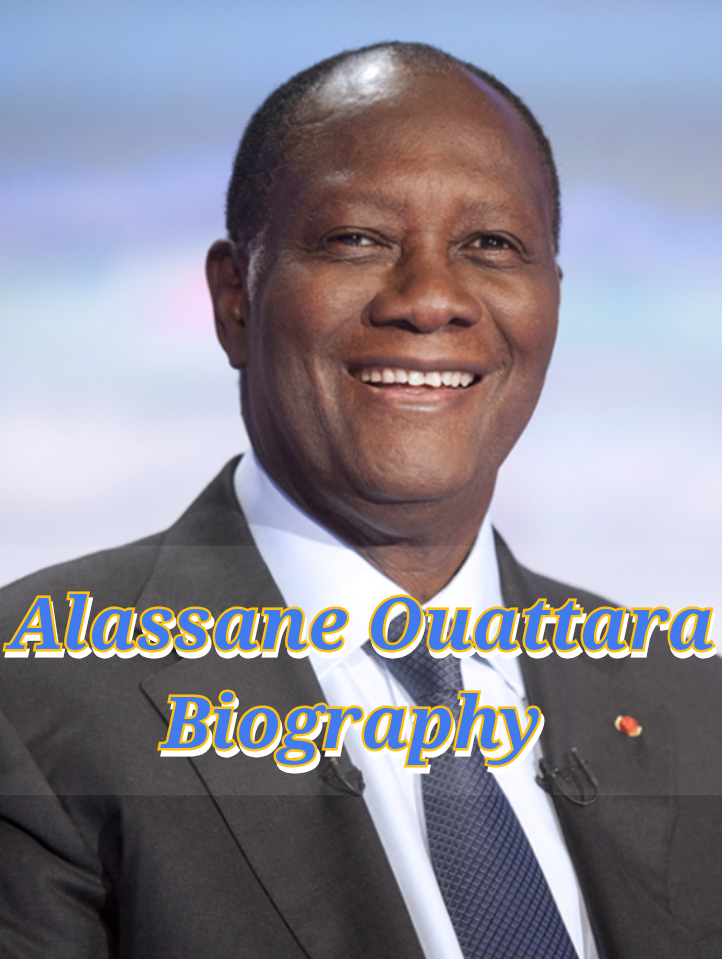
In 1988, he became Special Advisor to the Governor of the BCEAO. When Alassane Ouattara, then Governor, moved to become Prime Minister of Côte d’Ivoire, Banny was appointed Interim Governor on 4 December 1990. He was formally named Governor on 22 December 1993 and took office on 1 January 1994. He served in this role until 2005, including reappointment for another term starting in 2000. During his governorship, he oversaw monetary stability and economic coordination in the West African Economic and Monetary Union (UEMOA).
His international reputation as a skilled economist led to his selection as transitional Prime Minister in December 2005. This appointment followed UN Security Council Resolution 1633, aimed at resolving the political crisis that had divided the country since 2002. Banny replaced Seydou Diarra and was tasked with disarming militias and rebels, organizing elections, and restoring national unity. He also served concurrently as Minister of Economy and Finance.
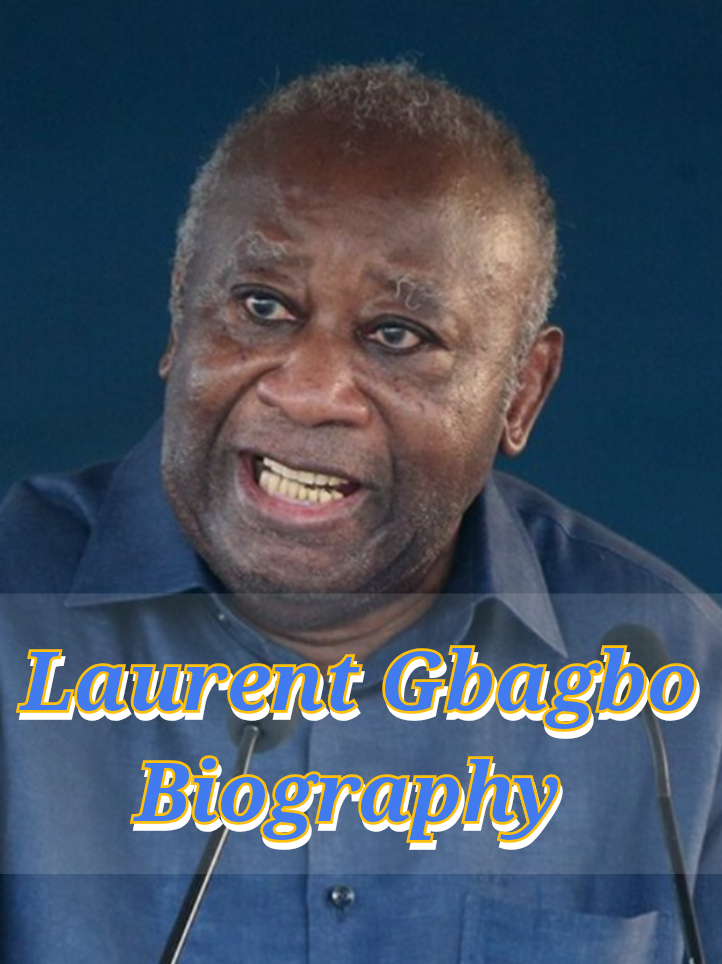
As Prime Minister, Banny worked with President Laurent Gbagbo, opposition parties, and the New Forces rebels. Challenges included delays in elections and power-sharing disputes. His mandate was extended, but he stepped down in April 2007 when Guillaume Soro took over following a peace agreement. Despite obstacles, his efforts helped maintain dialogue during a fragile period.
After his premiership, Banny remained active in public life. In 2011, following the post-election crisis that caused significant loss of life, President Alassane Ouattara appointed him President of the Commission for Dialogue, Truth and Reconciliation (CDVR). The 11-member commission, sworn in during 2011-2012, investigated human rights violations and promoted national healing. It drew inspiration from models like South Africa’s Truth and Reconciliation Commission but adapted to Ivorian realities. Banny presented the final report in December 2014, recommending measures such as national days of remembrance and accelerated justice processes.
Banny was a member of the PDCI and considered running for president in 2015 but ultimately withdrew. His career emphasized technocratic competence over partisan politics, though he maintained strong ties to political networks. A stadium in Yamoussoukro bears his name, honoring his contributions to national development.
Charles Konan Banny Achievements
Charles Konan Banny’s main achievements centered on financial governance and peace-building. As BCEAO Governor for over 14 years, he contributed to regional monetary stability and economic integration in West Africa. His leadership helped navigate economic challenges in the CFA franc zone.
As Prime Minister, he advanced the peace process by forming a broad-based cabinet and pushing for disarmament and electoral preparations, even if full goals were not met during his term. His work with the CDVR represented a significant attempt at addressing past traumas from political violence, fostering dialogue across divided communities. The commission’s report provided a foundation for ongoing reconciliation efforts.
Banny earned recognition as a capable administrator and consensus-builder. Supporters viewed him as independent-minded, with clubs formed to back potential presidential runs. His legacy includes institutional strengthening and commitment to dialogue in Côte d’Ivoire’s turbulent modern history.
Charles Konan Banny Recent News
Charles Konan Banny passed away on 10 September 2021 in Neuilly-sur-Seine, France, after contracting COVID-19. He had been evacuated from Côte d’Ivoire for medical treatment. His death was widely reported, with tributes highlighting his service as a banker, prime minister, and reconciliation leader.
Posthumously, his name continues to appear in contexts like the Charles Konan Banny Stadium in Yamoussoukro, which hosts national and international sports events. Discussions around national reconciliation and political history often reference his contributions.
Charles Konan Banny Personal Life
Banny was known as a Catholic and family-oriented individual. He maintained a relatively private personal life focused on professional duties. He was described as strong-willed and confident in his expertise, traits that served him in high-pressure roles.
Charles Konan Banny Family
Charles Konan Banny was married and had four children. His family had deep roots in Ivorian politics. He was the brother of Jean Konan Banny, a lawyer who served as Minister of Defense in the early years after independence. This family connection reinforced his standing within PDCI circles.
Charles Konan Banny Net Worth
Specific details on Charles Konan Banny’s net worth are not publicly available or well-documented. As a long-serving public official and central banker, his wealth likely derived from salaries, pensions, and possible investments, but no verified figures exist in open sources. Like many African leaders of his generation, estimates remain speculative and are not confirmed.
Conclusion
Charles Konan Banny lived a life of distinguished public service, bridging economics and politics in Côte d’Ivoire and West Africa. From his early days in finance to leading the government during crisis and heading reconciliation efforts, he demonstrated commitment to stability, development, and unity. Though he faced the complexities of divided politics, his technocratic approach left a lasting mark. His contributions continue to influence discussions on governance and healing in the region. Banny’s story underscores the role of dedicated professionals in shaping national trajectories amid challenges.
FAQs
Who was Charles Konan Banny?
Charles Konan Banny was an Ivorian economist and politician who served as Prime Minister of Côte d’Ivoire from 2005 to 2007 and as Governor of the BCEAO. He also chaired the country’s Truth and Reconciliation Commission.
When and where was Charles Konan Banny born?
He was born on 11 November 1942 in Divo, Ivory Coast.
What was Charles Konan Banny’s role in reconciliation?
He presided over the Commission Dialogue, Vérité et Réconciliation (CDVR) from 2011, which investigated post-election violence and promoted national unity.
When did Charles Konan Banny die?
He died on 10 September 2021 in France from COVID-19 complications.
What party was Charles Konan Banny affiliated with?
He was associated with the Democratic Party of Côte d’Ivoire (PDCI).